|
 BACK BACK |
L |
le Hanie, Lenord |
|
We have published 1 book by Lenord le Hanie:
19 en Gewapen
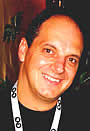
Lenord le Hanie
commenced with basic military training at 1 Parachute Battalion in Bloemfontein during January 1984, followed by 18 months with Chief Staff Intelligence at Sector 20, Rundu on the Namibian-Angolan border. During border service he served at the UNITA headquarters at Jamba in Angola. Lenord is a former South African Taekwondo Champion and 1st Place Winner of the 19th Annual Silver Cup Championship, held in Miami (USA). Currently, an 8th Dan Master Instructor and top performer with exceptional coaching skills, accompanied by an outstanding record of achievement - he delivered 170 black belts and 38 SA National Protea athletes. He prides himself being the first South African to have passed the International Taekwondo Refereeing exams during 1996. He has over 35 years' experience in defensive- and martial-art systems such as Taekwondo, Krav Maga, Close Quarters Combat, Brazilian Jiu Jitsu, Judo, Boxing and Kick-Boxing. He also had trained soldiers from the South African Special Forces and Parabats in the Israeli Krav Maga-system. He is happily married to Monica with 2 children from his first marriage.
|
|
| |
Lock, Ron |
|
|
| |
| |
Lord, Dick (Deceased) |
|
|
|
| |
Lotter, Chas |
|
|
|
| |
M |
Matthysen, Paul; Kalkwarf, Matthew and Huxtable, Michael |
|
We have published 1 book by Paul Matthysen ; Matthew Kalkwarf and Michael Huxtable :
Recce
Paul Matthysen
Very early in life Paul developed a passion for all things military. He started collecting militaria in 1963, specialising in World War II German militaria, for which he has won several awards at displays. While in the employ of a well-known numismatist, he was consulted on uniforms and insignia by film companies and advertising agencies. Paul ended his military career in 1977 as an infantry platoon sergeant serving in 102 Counter-Insurgency Battalion on the border, for which he was awarded the Pro Patria Medal. Paul has been researching South African Special Forces since 1991. This current work on South African Special Forces will form part of a series dealing with the badges and insignia of South African military units. Paul lives in Johannesburg.
Matthew Kalkwarf
A qualified instructor NCO at the Army Gymnasium, Matthew later served with 2 South West African Specialist Unit. He retained his interest in the military after completing his service. His extensive sales experience has equipped him well to assist in this project, where interpersonal skills are vital for research and interviews; his technical intelligence has also proved invaluable during this process. Matthew lives in Johannesburg and manages his own company.
Michael Huxtable
With a keen interest in the military, Mike served two years' national service in the South African Defence Force Intelligence School during 1988/89. In 2003, he joined the SANDF Reserve Force, serving as Intelligence Officer and Adjutant at the Light Horse Regiment, being the first member of the SANDF Reserve to graduate from the SANDF Military Academy (Faculty of Military Science of Stellenbosch University) in 2007, with a B.Mil degree in Security and Africa Studies. His dream to publish books on South African military insignia came to fruition after meeting Paul Matthysen. Mike lives and works in Johannesburg.
|
|
| |
McCracken, Donal |
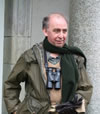
|
We have published 1 book by Donal McCracken:
Teddy Luther's War
Donal McCracken
Was born and educated in Ireland. Having been dean of humanities for many years, he is a senior professor of history in the Centre for Communication, Media and Society at the University of KwaZulu-Natal in Durban.
His books include Gardens of Empire: Botanical Institutions of the Victorian British Empire (University of Leicester Press/Cassell), MacBride's Brigade: Irish Commandos in the Anglo-Boer War (Four Courts Press), Forgotten Protest: Ireland and the Anglo-Boer War (Ulster Heritage Foundation), Saving the Zululand Wilderness: An Early Struggle for Nature Conservation (Jacana) and Inspector Mallon: Buying Irish Patriotism for a Five-Pound Note (Irish Academic Press). He is editor of the series, Southern African-Irish Studies.
He is a Fellow of the Royal Historical Society and sometime chair of the Alan Paton Centre and Struggle Archives Advisory Board and of the Durban Botanic Gardens Trust. He is a former Irish universities' debating champion and South African Genealogist of the Year.
Having lived through the worst of the Northern Ireland 'troubles' and then witnessed the closing years of the South African struggle against apartheid, Donal McCracken holds strongly to the axiom that people are generally better than their opinions.
His interest in war stems not from any fascination with armaments, strategy or perceived heroism but rather from the fact that war creates extraordinary and unique situations where ordinary people must often question and even sacrifice their established norms and certainties.
|
|
| |
MacDonell, Bror |
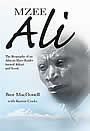
|
We have published 1 book by Bror MacDonell:
Mzee Ali - together with Kerrin Cocks
Bror MacDonell
was born in 1921 in Elisabethville, the Belgian Congo. He was educated in France and later at Eton in England. He became fluent in over a dozen languages including French, Swahili, chiShona and several other African languages. Aged 19, he was drafted into service during the Second World War. He served as Regimental Sergeant-Major with the African Light Infantry in East Africa and India and later transferred to Army Intelligence with the Northern Rhodesia Regiment
After the war he took up a varied career in hunting, locust control, farming, and African administration and local government, working in the remotest bush of Northern Rhodesia and Tanganyika. He moved to Southern Rhodesia (now Zimbabwe) during the sixties and began writing Mzee Ali in 1963, from his campfire 'bush notes' of the forties. (Several UK publishers rejected the manuscript as being "too politically incorrect"-presumably because of the references to the black-on-black slave-trading.) He died in 1998.
|
|
| |
McFadden, Pam |
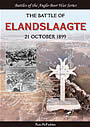
|
We have published 2 books by Pam McFadden :
The Battle Of Elandslaagte 21 October 1899
The Battle Of Talana 20 October 1899
Pam McFadden
Grew up in northern KwaZulu-Natal and her fascination with the military history and stories of the area began at an early age. She has done considerable research into the military conflicts fought in the vicinity of Dundee and regularly conducts tours around these battlefields. Her involvement in promoting the battlefields of the region and establishing the Battlefields Route has resulted in greater awareness of them and an increasing number of visitors to them. Her presentations on the area both within and outside South Africa and her numerous publications have all assisted in promoting the unique history of this region.
|
|
| |
McIntosh, Fiona |
|
|
|
| |
McWilliams, Mike |
|
We have published 1 book by Mike McWilliams :
Battle for Cassinga
Mike McWilliams
Was born in 1951. He was conscripted into the South African Defence Force as an infantryman and immediately volunteered to join 1 Parachute Battalion, qualifying as a rifleman paratrooper in 1970. He served in 1, 2 and 3 Parachute Battalions until his last operation in 1978, the Battle For Cassinga.
He has worked as a television cameraman for Rhodesian Television and the University of the Witwatersrand in South Africa. McWilliams is a championship skydiver and captained the Springbok team at the World Relative Work Championships in 1983 where his 8 Way Team won the Bronze Medal. He also captained the National Canopy Relative Work Team, winning the Deutschland Cup in 1982.
Mike is married to Frances and has three sons, Christopher, Nicholas and Matthew.
|
|
| |
Meikle, Nick |

|
We have published 1 book by Nick Meikle :
Malloch's Spitfire
Nick Meikle
Was born and brought up in Rhodesia (Zimbabwe) where he has spent most of his life. Prior to pursuing his passion of flying, he attained a university degree, majoring in history. His very satisfying career in aviation has spanned sixteen years in the air forces of Rhodesia, Zimbabwe and South Africa, as well a similar amount in the airline industry flying heavy jet freighters around the world.
Today, he is enjoys the more sedate pace of guiding young airline pilots into the basics of their profession at a flight training school in Adelaide, Australia.
A strong interest in the history of military aviation, particularly the Second World War and Vietnam, has been the platform for this book.
Like so many youngsters of his generation who entered the world of aviation, Nick's dreams of flying were nurtured by the stirring stories of the Second World War RAF fighter pilots, especially those Spitfire pilots who helped defeat the Luftwaffe in the Battle of Britain.
Short of owning or flying a Spitfire, the next best thing was to write a story about one, bringing together Nick's passions for flying and history.
|
|
| |
Milne, Rob |
|
We have published 1 book by Rob Milne :
Anecdotes of the Anglo-Boer War
Rob Milne
Was born in Johannesburg in 1953 and educated at St. David's Marist College and the University of the Witwatersrand.From an early age he spent most of his free time in the veld exploring the South African battlefields with his father, developing a keen interest in the second Anglo-Boer War, archaeology and geology. He served in the South African Air Force in 1972 and saw active service in South West Africa and Angola, which further stimulated his passion for military history.
In over 50 years of tramping the battlefields, skirmish sites and cemeteries of the Anglo-Boer War as well as interviewing descendants of those involved in the war, Rob has developed an insight into what really happened over 110 years ago. He is the chief financial officer for a large group of companies in the timber industry and lives in Johannesburg.
|
|
| |
Mutambara, Agrippah |
|
We have published 1 book by Agrippah Mutambara :
The Rebel in Me
Agrippah Mutambara
Was born in 1951 in the small mining town of Shurugwi in the Midlands province of Zimbabwe. Because of the bottleneck system of education, he could not secure a university place; however, after independence he later obtained a degree in Business Administration. In May 1975 he quit his job as Council Secretary for Neshuro Council in the Mwenezi district and left the country to join the armed struggle. After independence in 1980, he joined the Zimbabwe National Army (ZNA) where he held various appointments including Commandant of the Zimbabwe Staff College, Commander of 4 Brigade and later 6 Brigade.
On retirement from the army, Brigadier-General Mutambara was tasked to start a national service programme before joining the Ministry of Foreign Affairs. He has held various ambassadorial appointments and is currently Zimbabwe’s ambassador to Mozambique and Swaziland. He is married to Esther (née Gotora) and has five children.
|
|
| |
N |
Nation, Shelagh |
|
We have published 1 book by Shelagh Nation :
Oupa, O.B.E
Shelagh Nation, his granddaughter, was born a year and a half before his death, and remembers only his warmth and gentleness and his bluest of blue eyes. Throughout her childhood stories of her Oupa’s varies and entertaining exploits were part of the delight of family gatherings, a tradition that Granville would have relished, being himself a great story teller.
Shelagh grew up to be one of South Africa’s first woman architects. Apart from spending more than fifty years in that practice, she specialised in research, travelling widely and authoring a large number of research and project reports and journal articles and presenting papers at national and international conferences
Researching her Oupa’s story and sifting fact from family fable has resulted in this charming and enlightening tribute to one of south Arica’s remarkable pioneer, her Oupa, OBE. Her book on leading architect Hellmut Stauch was published in 2015.
|
|
| |
Nussey, Wilf |
|
We have published 2 books by Wilf Nussey :
Watershed
Life, Love and Death in the Lowveld
Wilf Nussey
A full-time journalist for forty years, all but four in Africa, most as a foreign correspondent, first for British newspapers during the Mau Mau conflict, later as reporter and for 13 years editor with the Argus Africa News Service, created by the Argus Group of newspapers to bring Africa news to South African readers.
His assignments took him to many corners of Africa and frequently into conflicts, although he dismisses the appellation ‘war correspondent’ as flamboyant.
He specialized in southern Africa while directing reporters in several bureaux in East, West and Central Africa, being particularly close to events in Mozambique and Angola. He is now retired and writing books.
|
|
| |
P |
Petter-Bowyer, Peter |
|
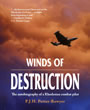
We have published 1 book by Peter Petter-Bowyer :
Winds of Destruction
Peter Petter-Bowyer
Was born in 1936 in Salisbury, Southern Rhodesia. As a boy during World War II he'd watch the Royal Air Force training aircraft whirling in the colonial skies above-so was born his craving to fly.
In 1957 he joined the Royal Rhodesian Air Force as an officer cadet. He became a senior operational pilot during the bush war and was instrumental in designing and producing a range of unique aeronautical weapons systems.
He retired prematurely as a group captain in 1980 with the advent of Mugabe's rule.
|
|
| |
Polack, Peter |
|
We have published 1 book by Peter Polack:
The Last Hot Battle of the Cold War
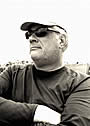
Peter Polack
Born in Jamaica in 1958 where he attended various schools including Jamaica College until 1972 when he went to Denstone College boarding school in England.
He is a proud graduate of the University of the West Indies and Norman Manley Law School. Whilst at UWI he was co-founder of the Amnesty International campus group and a member of the Union of Democratic Students.
A lawyer in the Cayman Islands since 1983,he resides there with his wife and two daughters.
He was a former rapporteur of the International Bar Association, co-founder and first treasurer Caymanian Bar Association. In July 2005 he organized a Cuba relief shipment after Hurricane Dennis from generous donors of the Cayman Islands. He is a contributing editor for Encyclopaedia of Warfare to be published by Amber Books. His research led to first international release of a list of Cuban casualties of the Angola War, published in the Miami Herald 20 February 2010.
|
|
| |
R |
Ramsden, Tim |
![]()
|
We have published 2 books by Tim Ramsden:
Platoon 3
Exploring the Unknown
Tim Ramsden
was born in Johannesburg, South Africa in 1965 and was educated at Treverton College, a boarding school in Mooi River, Natal before doing his mandatory term of two years National Service.
He worked as a manager in retail before embarking on a five-year backpacking adventure through thirty-five countries. He now lives in Newmarket, Canada and continues to work in retail as a manager.
He still holds a keen interest for travel, adventure and the magic of Africa, hoping one day that the love and passion for the land of his birth will rub off on to his son.
|
|
| |
Rasmussen, Søren |
|
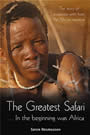
Pen & Sword title by Søren Rasmussen:
The Greatest Safari
Søren Rasmussen
was born in Denmark in 1952 and holds a master degree in Molecular Biology and Conservation in Africa. He is founder and owner of Albatros Travel A/S, Albatros Safari in Kenya, Tanzania, South Africa and Namibia; founder of Karen Blixen Camp in Kenya; owner of Honeyguide Safari Camps in Manyaleti (Kruger) and Entabeni, and a partner in Entabeni Nature Reserves and Legend Lodges SA. Søren is also founder of the Adventure Marathon concept with famous marathons such as The Big Five Marathon in South Africa and The Great Wall Marathon.
|
|
| |
Reumerman, Tony |
|
|
|
| |
Ron,Tamar & Golan,Tamar |
|
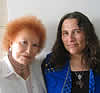
We have published 1 book by Tamar Ron & Tamar Golan :
Angolan Rendezvous
Dr Tamar Ron
Was born and raised in Jerusalem. She obtained a BSc in Biology and an MSc in Environmental Biology at the Hebrew University of Jerusalem. Her PhD in Zoology was completed at Natal University, Pietermaritzburg, South Africa.
Her adult life is dedicated to nature conservation, as well as to the welfare of wildlife in captivity, and to education about these issues. She was trained in endangered wildlife management at the Jersey Wildlife Preservation Trust, in Jersey Zoo. Over a six months period, she conducted an ecological and behavioural study for Chimfunshi Wildlife Sanctuary, a chimpanzee rehabilitation centre in northern Zambia.
During 1989-1991 she lived in Mkuzi Game Reserve in Zululand, South Africa, and followed the social behaviour of chacma baboons, for her PhD thesis. During 1992-2000 she served as the wildlife ecologist of the scientific division of the Nature Reserves Authority of Israel.
In 1998, the Angolan Vice-Minister of Environment invited Tamar to his country where she served on two short consultancy missions as a representative of the department of international cooperation of the Ministry of Foreign Affairs of Israel. In 2000 she returned as a long-term consultant on biodiversity conservation to the Angolan government, with the support of the Norwegian government, through NORAD. In 2001 she was recruited as UNDP-Angola chief technical adviser (CTA) on biodiversity conservation, with continued NORAD support. She ended her mission and returned to Israel in 2005.
She now works as an independent biodiversity conservation consultant, and among other projects, has elaborated a Southern Africa Development Community (SADC) framework for transfrontier conservation areas (TFCAs).
Haifa-born Dr Tamar Golan
Is a former member of Kibbutz Lahav in Israel's southern region; she returned to live there after completing her mission in Africa. She first went to Africa in 1961 with her husband Avihu, to lecture at the Agricultural College of Ethiopia in Harar City on behalf of the Department for International Cooperation of the Israeli Ministry of Foreign Affairs. Avihu died there.
In 1964, she was sent to New York, where she completed a doctorate in law and government at Columbia University, specializing in Africa. From 1967, Tamar Golan worked as a journalist for the BBC's African Service, the Israeli daily, Ma'ariv and the Israeli Army Radio Station, reporting from Africa, the Arab states and Paris.
In 1994, Tamar Golan was appointed Israeli ambassador to Angola. With her presentation of her letters of credentials to President José Eduardo Dos Santos, on July 7, 1995, she launched the official Israeli presence in Luanda. After completing her term as ambassador, Tamar Golan returned to Angola at the request of the president of the republic, as a United Nations expert, to assist in establishing a National Commission for Landmine Action, annexed to the Angolan presidency. She returned to Israel in 2002.
Today, Dr. Tamar Golan lectures on African Affairs at Ben-Gurion University of the Negev.
Tamar Golan has written two books, Black White; White Black (MOD publishers), in 1986 and Africa, Africa (with Amnon Dankner, Ma'ariv Publishers), 1988.
|
|
| |
RLIRA |
|
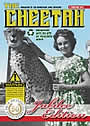
We have published 1 book by RLIRA:
Cheetah - Edited by Chris Cocks
Chris Cocks was born in Salisbury, Rhodesia in 1957 and served three years and 28 days as a combat NCO with 3 Commando
|
|
| |
S |
Sadler, Mike |
|
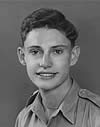
We have published 1 book by Mike Sadler:
The War Story Of Soldier 124280
Mike Sadler
(1922–2002) Was born in Lourenço Marques (Maputo), Mozambique, to Methodist missionary parents and educated at Kingswood College, in Grahamstown, South Africa.
In 1939, aged 17, he volunteered to serve with the South African Artillery as a signaller. He saw action in North Africa, was captured at Tobruk and spent three years as a PoW in Italy and Austria.
After the war, he studied at Natal University in Pietermaritzburg, teaching for several years at the Lovedale Mission in Alice. Following the passing of the 1953 Bantu Education Act in South Africa, he joined the British Overseas Civil Service in Northern Rhodesia. He served as an Education Officer for the ‘bush’ schools and a college lecturer on the Copperbelt ending up as the founding principal of Mufulira Teacher Training College.
Following Zambian independence in 1964 and after a short spell at Waterford School in Swaziland, Mike returned to Grahamstown, teaching at Graeme College and Grahamstown Teacher Training College.
In l977 he immigrated to England and served as manager of the Missions to Seamen Flying Angel Club, at the National Sea School at Gravesend. On retirement he began writing English Language textbooks aimed at an African audience, together with a series of novels written to appeal to young non-English-speaking readers with limited vocabularies.
|
|
| |
Salt, Beryl |
|
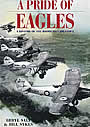
We have published 1 book by Beryl Salt:
A Pride of Eagles
Beryl Salt
The late Beryl Salt was part of the Southern Rhodesian Broadcasting Services (later the Rhodesian Broadcasting Corporation, the RBC). Her interest in history led her to radio dramas and feature programmes, followed by several books: School History Text Book, The Encyclopaedia of Rhodesia and The Valiant Years, a history of the country as seen through the newspapers.
She also produced a dramatized radio series about the Rhodesian Air Force. In 1965 she left the RBC and spent three years with the Ministry of Information, following which she was a freelance writer/broadcaster involved in a wide variety of projects until 1980.
|
|
| |
Scheepers, Marius |
|
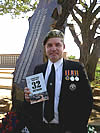
We have published 2 books by Marius Scheepers:
Striking Inside Angola with 32 Battalion
Move The Border
Marius Scheepers
Was born in the small town of Wesselsbron in the Free State Province of South Africa and completed his schooling at Voortrekkerhoogte, Pretoria. During his national service in the Signals Corps of the South African Defence Force, he was commissioned as a second lieutenant.
He was later promoted to the rank of captain in the Civilian Force (Territorials). In 1983 he was posted as Signals Officer to 32 Battalion HQ at Rundu in the operational area on the border between Namibia and Angola. He served for thirteen months behind enemy lines at 32 Battalion's tactical HQs at Ongiva and Ionde inside Angola from where clandestine operations were conducted to neutralize SWAPO bases.
Marius served as an officer in 32 Battalion, is a veteran of the war, and holds the rank of captain in the SADF. After his military service he qualified as an attorney and today runs his own law firm in Pretoria. In 2020 he was awarded a Master’s Degree of Social Science (History) by the University of Pretoria after he completed a dissertation on the topic: The Battle at Indungo, 31 October 1987: An SADF Military Venture against SWAPO in the Angolan Border War. He is an accomplished author with already one title to his name on the Angolan Border War: Striking inside Angola with 32 Battalion, 30 Degrees South Publishers 2012
|
|
| |
Selley, Ron |
|
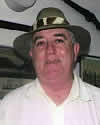
We have published 2 books by Ron Selley :
West of the Moon
I Won't Be Home Next Summer - together with Kerrin Cocks
Ron Selley
Grew up in northern Zululand, South Africa. He started hunting at the age of eight and operated a boat on Lake St Lucia at the age of ten. He became fluent in Zulu, Afrikaans and French. In 1975 he joined the Rhodesian Department of National Parks and Wildlife as a game ranger, in the Zambezi Valley and the Gona re Zhou during the height of the Bush War.
He returned to South Africa in 1979, hunted professionally and joined KwaZulu Nature Conservation, before moving to Lambert's Bay in 1994, running a wide variety of businesses, such as boat-charter and ship refurbishment. He enjoys black-powder hunting, is an avid collector of Second World War trucks and tanks, owns two Rolls Royces which are in daily use and is station commander of National Sea Rescue Station 24A.
|
|
| |
Shaw, John |
|
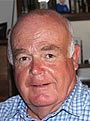
We have published 1 book by John Shaw :
My memoirs of the British South African Police
John Shaw
was born in Ndola in 1947, in what was then Northern Rhodesia and received his primary and most of his secondary education in that country. Shortly before Zambian independence in October 1964, his father, a chief superintendent in the Northern Rhodesia Police, resigned and his parents immigrated to Rhodesia. John attended Chaplin School, Gwelo, to complete his GCE certificate.
In March 1966, he joined the British South Africa Police and served in the district branch of the Force until his retirement in August 1981, with the rank of superintendent. Shortly after Zimbabwean independence he moved to South Africa with his wife and three daughters, securing a job with Johnson & Johnson, Midrand, in the security field where he remained for 28 years, retiring as their Industrial & Employee Relations Manager in 2008. He settled in White River where he spends his time writing, playing tennis and visiting the Kruger National Park.
|
|
| |
Shepherd, Brenda |

|
We have published 1 book by Brenda Shepherd :
Men of the Mendi
Brenda Shepherd
was born in the mining town of Oranjemund in Namibia. She matriculated in Cape Town where she lived for most of her adult life. She holds degrees in English and Communication Science.
Her film script on the Mendi-story won Best Action Drama at the Sethingi Film Festival in 2004. Following research and site visits in England, France and South Africa, she has written the Men of the Mendi as a historical novel to give a voice to these almost forgotten South African heroes.
Brenda currently lives in Clarens, Free State together with her husband, George van der Merwe.
|
|
| |
Smith, Ivan |
|
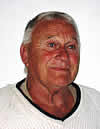
We have published 1 book by Ivan Smith :
Mad Dog Killers
Ivan Smith
Was born 1941 in Fort Victoria, Rhodesia. He grew up on farm before doing his national service after leaving school in 1958.
After some cowboy and mining work he spent two years in London and Copenhagen.
In 1964 he signed up for a six-month contract as a mercenary in the Congo. He joined the British South Africa Police in 1965 and served fourteen years in the paramilitary Support Unit and the Police Anti-Terrorist Unit during the protracted Rhodesian 'bush war'.
He immigrated to South Africa in 1984 where he worked in the security department at the University of Cape for sixteen years.
A lover of hunting and fishing, he has written for various outdoor magazines for over forty years.
He lives in the small village of Joubertina in the Western Cape of South Africa.
|
|
| |
Stuart, Ivy May |
|
Pen & Sword title by Ivy May Stuart:
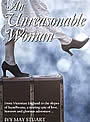
An Unreasonable Woman
Ivy May Stuart
Ivy May Stuart was born in Cape Town but spent most of her school years in Natal where she attended a series of convent schools. Her favourite subjects at school were English and History and so, rather unsurprisingly, after a series of different careers, she eventually became a teacher of both subjects. She has always been a voracious reader and her first encounter with historical fiction, her favourite genre, came at boarding school when she would read Georgette Heyer novels under the blankets by torchlight. Retired from teaching, she now runs a guest house in Pretoria.
|
|
| |
T |
Torlage, Gilbert |
|
We have published 3 books by Gilbert Torlage :
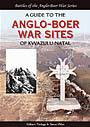
A Guide To The Anglo-Boer War Sites of Kwazulu Natal
The Battle Of Colenso 15 December 1899
The Battle Of Spioenkop 23-24 January 1900
Gilbert Torlage
Lived at the foot of Spioenkop for several years, has studied and written on aspects of this battlefield and has made an academic study of various aspects of the Anglo-Boer War in KwaZulu-Natal. Over the past 35 years he has conducted numerous tours to Spioenkop and other battlefields relating to the Siege of Ladysmith and the British attempts to relieve the town.
|
|
| |
Trethowan, Tony |

|
We have published 1 book by Tony Trethowan :
Delta Scout
Tony Trethowan
Was born in England in 1955. His parents immigrated to Southern Rhodesia in 1958, where he grew up. He served in the BSA Police from 1974 to 1981 but resigned shortly after Zimbabwean independence. He has had three careers - policeman, educator & trainer and health & safety professional.
He is presently studying for an MSSc in Occupational Safety and Health at Queens University in Belfast.
His home is in Northern Ireland, but he is currently working for a large oil and gas company as an HSE consultant in Yemen. Delta Scout is his first book.
|
|
U |
| |
Uys ,Ian |
|
We have published 2 books by Ian Uys :
Bushmen Soldiers
Enduring Valour
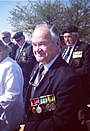
Ian Uys
inherited his love of military history from his father, Jack (1910-59). He volunteered for and served in the SAAF Gymnasium in 1960, then attended UCT and graduated B Commerce. After marrying Barbara Bowers, a Londoner, he qualified as a chartered accountant then lived in England where he did further VC research. In 1973 he wrote and published For Valour, the history of Southern Africa's Victoria Cross Heroes.
It has a natural successor in Cross of Honour as it updates the records of valour by South Africans. He served in the Heidelberg Commando in the seventies. In 1977 he was a platoon commander in the operational area and was awarded the De Wet Decoration. In 1989 he ran for parliament as a Democratic Party candidate for Germiston District. Uys is a practising auditor in Knysna and has three children and four grandchildren. He is a former chairman of the SA Military History Society, has completed ten Comrades' Marathons and was a private pilot for many years. He has developed his family's Bushman Valley Resort near Prince Albert and is a keen nature conservationist.
|
|
| |
V |
van Heerden, Roelf and Hudson, Andrew |

|
|
|
| |
van Tonder, Gerry |
|
|
|
| |
Venter, Al J. |
|
We have published 1 book by Venter, Al J. :
Mercenaries
Al J. Venter
Has been an international war correspondent for nearly thirty years, primarily for the Jane’s Information Group.
He has also produced documentary television films on subjects from the wars in Africa and Afghanistan to sharkhunting off the Cape of Good Hope.
Among his previous works are The Iraqi War Debrief: Why Saddam Hussein Was Toppled, Barrel of a Gun: A War Correspondent’s Misspent Moments in Combat, Gunship Ace: The Wars of Neall Ellis, Helicopter Pilot and Mercenary and Iran’s Nuclear Option: Tehran’s Quest for the Atomic Bomb. A native of South Africa, he is currently resident in the United Kingdom.
|
|
| |
Vos, Kevin |
|
We have published 1 book by Vos, Kevin. : Salute the Eagle
Kevin Vos
completed his military training as a paratrooper (or parabat) as is more commonly known in South Africa. As a member of this elite unit, he spent his national service fighting in Angola and was called up regularly for the following ten years, which he spent fighting in the bush war. He lives in Cape Town, South Africa. He is married to his wife of 36 years, Nicky. He has two sons and has two beautiful grandchildren. He has a BSc Hon. Degree and works as an Operations Manager for a refrigeration company in Cape Town.
|
|
| |
W |
Walsh, Toc |

|
We have published 1 book by Toc Walsh :
Mampara
Toc Walsh
Was born to proud parents in the Fort Victoria nursing home in Rhodesia on 19 June 1956. Educated and apprenticed in Rhodesia, he fought in the bush war of the 1970s before moving to South Africa in 1981. He is a certificated engineer and is married to Elsie.
|
|
| |
Watt, Steve |
|
We have published 4 books by Steve Watt :
The Siege Of Ladysmith 2 November 1899-28 February 1900
The Battle Of Vaalkrans 5-7 February 1900
The Battle Of Modder Spruit And Tchrengula 30 October 1899
A Guide To The Anglo-Boer War Sites of Kwazulu Natal
Steve Watt
Has been researching the Anglo-Boer War for over 35 years. His work has resulted in a seminal publication of the deaths and graves of the Imperial forces engaged in the conflict. He has conducted numerous tours around the battle sites, published many articles and presented papers at conferences on his specific field of interest.
|
|
| |
Wessels, Hannes |
|
We have published 1 book by Hannes Wessels :
PK van der Byl
Hannes Wessels
Was born in 1956 in Salisbury, Southern Rhodesia (now Harare, Zimbabwe) but grew up in Umtali on the Mozambican border. As a boy, holidays were spent with Game Department rangers; time on safari in Mozambique with the late Wally Johnson was a big influence on him. Wessels also grew to know Robert Ruark whose love of Africa, its people, politics and the written word left a lasting impression. He saw action in the Rhodesian bush war before acquiring a law degree which he chose not to use. He has hunted big game in Mozambique, Zimbabwe, Zambia and Tanzania in a 20-year career.
In 1994 he was severely gored by a wounded buffalo which almost cost him his life. While no longer directly involved in hunting, he is part-owner of a lodge and game ranch in Zambia on the Lower Zambezi and remains keenly interested in all matters relating to African wildlife and conservation. He has published Strange Tales from Africa in the USA, a collection of anecdotes from his hunting days. He is also a syndicated writer for Outdoor Life in the United States and is currently writing a history on the Rhodesian SAS.
He is married to Mandy and has two daughters, Hope and Jana, and lives in Darling in the Western Cape Province of South Africa.
|
|
| |
Wilsworth, Clive |
|
We have published 1 book by Clive Wilsworth :
First In Last Out
Clive Wilsworth
Was called up for national service in 1969 to the School of Artillery, Potchefstroom, and then posted to 4th Field Regiment as an assistant OP officer. After a six-year stint with the Natal Field Artillery and as a territorial captain with the Regiment Port Natal, he signed on as a regular with 14th Field Regiment, South African Artillery. From 1978 to 1988, as a battery commander and Intelligence Staff Officer, he saw action in several major operations during the Border War.
He was involved in the development of new weapon systems, leading the first 127mm multiple-rocket launcher and G6 courses. His last posting was to Army HQ, Pretoria as Project Officer for the development of the Artillery Target Engagement System-the digitization of the artillery. He retired in 1994 with the rank of lieutenant-colonel.
Clive is now a business consultant living in Johannesburg.
|
|
Wingrin, Dean |

|
We have published 1 book by Dean Wingrin :
Tumult in the clouds
An accountant by profession, Dean Wingrin
Has had an interest in aviation since childhood, collecting articles and taking photos at airports and air shows whenever he could.
His photographs and articles are regularly published
in local and international journals and aviation magazines.
He also acts as a consultant to various print, radio, TV and internet journalists and investigative programmes.
He served his national service in the South African Air Force and was Honorary Secretary and Treasurer of the Cape Town branch of the Friends of the SAAF Museum for almost 20 years.
He is founder and webmaster of the popular unofficial SAAF website (www.saairforce.co.za), a site he set up in 1996 as a result of his interest in the SAAF.The website provides a detailed background on the SAAF and its current activities and is viewed as the premier website on the air force.
Dean is also a director of the South African Aviation Foundation Museum Ltd, a non-profit company formed to preserve the SAAF's aviation heritage through, inter alia, physical and financial assistance to the SAAF
Museum at Air Force Base Ysterplaat in Cape Town.
|
|
| |
Wood, Dr JRT |
|
We have published 4 books by Dr JRT Wood :
So Far and No Further!
Counter-Strike from the Sky
Operation Dingo<
Zambezi Valley Insurgency
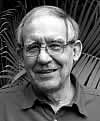
Richard Wood BA
was born in Bulawayo, Southern Rhodesia (now Zimbabwe). He is a graduate of Rhodes and Edinburgh universities. He was a Commonwealth Scholar and the Ernest Oppenheimer Memorial Research Fellow at the University of Rhodesia and thereafter held a personal chair at the University of Durban-Westville, South Africa. He is a Fellow of the Royal Historical Society and of the Alexandrian Defence Group. Fortunate to have sole access to the then closed papers of Sir Roy Welensky, he wrote The Welensky Papers: A History of the Federation of Rhodesia and Nyasaland: 1953–1963. Based again on sole access to the hitherto closed papers of Ian Smith and other private collections, he published the complementary works So Far and No Further! Rhodesia’s Bid for Independence during the Retreat from Empire, 1959–1965 and A Matter of Weeks Rather than Months: The Impasse between Harold Wilson and Ian Smith; Sanctions, Aborted Settlements and War: 1965–1969. In the military history field, he has published: The War Diaries of André Dennison, Counter-Strike from the Sky: The Rhodesian All-Arms Fireforce in the War in the Bush: 1974–1980, Africa@War Volume 1: Operation Dingo: Rhodesian Raid on Chimoio and Tembué, 1977 and Volume 5: Zambezi Valley Insurgency: Early Rhodesian Bush War Operations. He has contributed chapters to other works: ‘The Rhodesian issue in the historical perspective’, in A.J. Venter’s Challenge: Southern Africa in the Revolutionary Context, ‘Fire Force’ in Venter’s The Chopper Boys: Helicopter Warfare in Africa and ‘Countering the Chimurenga: The Rhodesian Counterinsurgency Campaign 1962–1980’ in Daniel Marston’s & Carter Malkasian’s Counterinsurgency in Modern Warfare. He has also contributed articles and reviews to a variety of journals including the Journal of African Studies (Pretoria), Military Illustrated (London), the Marine Corps Gazette (Quantico), Small Wars and Insurgencies (London), Military History (Leesburg), The Journal of the Army Historical Research (London) and the Lion & Tusk (Southampton). From 1956–9 and 1970–
80, he served in the 1st and 8th Battalions of the Rhodesia Regiment, and as second-in-command of the research section of the Mapping & Research Unit of the Rhodesian Intelligence Corps. He lives in Durban, South Africa.
|
|
| |
Woods, Kevin J |
|
We have published 1 book by Kevin J Woods :
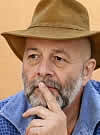
The Kevin Woods Story
"We stand in awe of the inner strength that you possessed in order to survive your harrowing ordeal."
Marion Cross
Tuesday Rostrum Committee Member
"You are an inspiration to all who meet you.The lessons that came from your talk will certainly guide many in the days and years to come..."
Tracey Leppan
The Country Club Johannesburg
"Kevin's talk was enthralling. He had the whole club hanging on his every word.His talk is highly recommended and fascinating, but give him plenty of time to do it justice."
Rusty Damp
President of the Rotary Club of Westville
"The talk and presentation given by Kevin Woods was riveting stuff. Our organisation, which has had a plethora of famous speakers, rated the Kevin Woods talk as one of the best of all time. The audience was spell-bound as Kevin Woods told his amazing story with a complete lack of bitterness, yet with complete honesty and plenty of emotion. There were no excuses for his actions, or regrets for what he felt needed to be done at that time in our history. But for most, what was extremely motivating, was the positive message that Kevin Woods brings for the future of Southern Africa, which in itself is amazing given the horror that he lived through."
Kevin Dunkley
Chairman of the Charles Glass Society
"At our Annual General Meeting of Natal Forum a very special speaker, Kevin Woods, addressed 294 of our members. In the 33 years that our organisation has been in existence there have only ever been 3 people that have received Standing Ovation and I am delighted to state that Kevin Woods was one of these.
Kevin touched our hearts with his recital of his experience while on Death Row in Robert Mugabe's prison in Harare. His honest and profound message not only stimulated us all but the manner that he coped by drawing on his very deep Faith and the knowledge that God's presence was with him at all times made us all take a very good look at ourselves and realise how blessed we are in what we take for granted. There are no words that can describe our sincere appreciation of this very humble but honest man as we looked through his eyes at the near 20 years of his life that are gone forever- how he has emerged with the strength of mind and character without a trace of anger can only be attributed to the love in his soul.
We at Natal Forum would recommend that everyone should hear his story and be empowered by his experience."
Sue Simpkins, President of the Natal Forum
"In your quiet manner you touched the men in so many different ways. One elderly member said to me he went home and just held his wife and told her that she needed to know that she meant the world to him. Another went home and held his little daughter and told her how much he loved her. All my staff were almost stunned into introspection and were forced to analyse where they stand in their relationships in life. The irony was that you hardly spoke about relationships. The members were drawn away from their businesses for just long enough to realise that the important things in life cannot be found on your financial printouts!
I had so much to ask you and yet so little to say except that I felt small standing next to you. Small for all the "hardships" I thought I had to face before. What a feeling of completeness you must have to be one with who you are? How few of us ever sit down and spend time getting to know who we are and understand what makes us tick. It is a double edged sword though, because with the knowledge comes the reality of facing the consequences of your decisions. The ultimate is to forgive yourself and make peace with the wrong decisions you have made. Your presence alone had left an enormous impact on us all and I want to wish you all the happiness and love today and every day thereafter."
Annette Steward
General Manager KZN (RMI)
I had been a South Africa government double agent for some years as part of Operation Barnacle, which consisted of four of us ex-army and ex-police okes in Zimbabwe.
The South African apartheid government had me on their books for many years as a covert agent for Military Intelligence. I was quite a valuable asset for the South Africans because of the position I held in Mugabe's Central Intelligence Organisation (CIO), which gave me access to any state document I wanted, regardless of its security classification.
They needed information on the activities of the Umkhonto we Sizwe in Zimbabwe and, due to my senior position in the CIO, I had access to that information. It started out as little snippets of information here and there, and quickly evolved into them developing my position to that of a full double agent.
Double-lined and bright-red-marked TOP SECRET documents were completely accessible to me. I was senior enough in the CIO to be included in most security operational briefings and plans, and in fact so many occasions to personally brief Mugabe and his coterie on the intelligence situation in Matabeleland.
I am perceived a traitor. I could debate this with anyone, and maybe no definite conclusion would be reached. Often he who takes action against what he believes to be immoral or wrong goes down in history as a traitor. Yet he who can take action, and does not, will be a traitor to his conscience.
If I didn't do what I was in a position to do, would I have been able to look myself in the mirror? And, more importantly, could I ever look the war widows and orphans in the eye?
However wrong my extremist actions might be perceived to have been, I did it, I hope, from the best possible personal conviction. And I paid for it, right or wrong, with nearly twenty years of my life.
There are things relevant to that era that few people will understand. For example, you had the South African apartheid government on one hand, the ANC liberation movement trying to overthrow that government by violent means on the other, and Zimbabwe actively supporting ANC guerrillas who would cross into South Africa, carry out violent military missions, and then return to safety in Zimbabwe.
In the CIO and working with me daily, we had operatives who liaised with and frequently attended to the communication and other needs of ANC guerrillas in Zimbabwe.
ANC refugees, once assessed, qualified, quantified and established as such, did not fall within the CIO ambit, although a watchful eye was kept on them. ANC fighters, however (who often posed as refugees), were another matter altogether and were closely watched by the CIO, and therefore by South African Military Intelligence - through me.
I did not betray Mugabe or Zimbabwe in the true sense of the word. I fought against the ANC, which the Zimbabwe government was harbouring. As a senior official in President Mugabe's office I had access to every top-secret piece of intelligence about Zimbabwe's economy arid its industrial and commercial assets -including things like the electricity grids, generator plants, major supply dam walls, railways, railway wagons and locomotives, bridges and power lines, Wankie colliery operations and its heavy equipment, airlines, airports and their security, vehicle-manufacturing plants, the air force and army establishments throughout Zimbabwe, their strategic plans, safe houses, and so on.
I could, with my access to Zimbabwe's central nervous system, and with all the weapons of war we had cached, have destroyed the complete infrastructure of the country and have brought it to its knees.
I could have assassinated any of Zimbabwe's leaders, including Mugabe himself. Many times. In 1984, I was asked by "K D" (Major Gray Branfield, the South African Military Intelligence chief in charge of Operation Barnacle - killed in Iraq in 2006), to draw up a plan for Mugabe's assassination. I declined ... pure and simple.
How much suffering could I have avoided (not only mine) by that one simple act? But I declined. I was completely willing to pass intelligence to the South Africans and help in their operations against the ANC guerrillas, but killing Mugabe was too much. However, many were the times sitting on death row waiting for Mugabe to hang me, that I regretted that decision.
The South Africans were really angered that I had declined to get involved in the assassination of Mugabe. I'm told they went ahead anyway and made plans, but P W Botha, so I was later told by SADF General Kat Liebenberg at a military intelligence braai at their Magaliesberg farm, had flatly refused any operation or initiative to kill Mugabe.
Why didn't they assassinate Mugabe? I don't know. Maybe presidents, whoever they are, have some sort of gentleman's agreement where they promise not to knock each other off. Who knows? The ANC's representative in Harare, Joe Gqabi, survived an attempted car bomb early in 1981 when an explosive charge was placed under his car, but failed to detonate as he reversed over the triggering device. Gqabi was killed in the driveway of his Ashdown Park home on the evening of Friday, July 31 1981, just as he arrived in his Zimbabwean-registered vehicle. Police said later that they had recovered nineteen spent 9mm cartridge cases, and that the deceased had been hit several times.
Three teams from South African Military Intelligence had been deployed to Harare to carry out the assassination, and they were assisted by sources in CIO Harare, with the intelligence on Gqabi's movements, his vehicles' registration numbers and the different places he slept at night.
On 27th May 1995, former Foreign Affairs minister Pik Botha wrote to me, saying: 'It is a source of great regret that you should have to bear this pain and suffering on account of official activities launched for official reasons.'
This letter was written to me while I sat jailed in Zimbabwe, despite his denials while minister of Foreign Affairs that he knew anything about me or my activities on behalf of his government. I suppose I could live by convincing myself that I was working for the greater good...It was an expensive decision. It cost me twenty of my fifty years.
Included in that twenty years is the suffering inflicted upon my wife and kids because of my probably misdirected beliefs and morals, and I have serious doubts that I should rather have taken the safer option of the middle line, like so many others.
I knew where the ANC guerrillas stayed when in Bulawayo, and quite frequently I had prior knowledge of their upcoming plans.
All this information went straight to my handlers in Military Intelligence south of the Limpopo.
Every once in a while I would take a drive with the ANC desk officer in charge into an ANC guerrilla safe house in Bulawayo, be introduced to the gooks, have a beer, of which there was always plenty, supplied by the CIO - thanks to the unaudited CIO secret money float -and have a general chat with the ANC fighters.
I have often wondered just how many of them are still alive and kicking who remember the white oke with the large black beard with whom they drank and joked at their Bulawayo safe house.
One such safe house was just outside Bulawayo in the quiet and leafy suburb of Trenance, on the main road to Victoria Falls.
Using my intelligence reports, a military attack was planned, authorised and subsequently carried out in the dead of night on January 11 1988.
A small Renault R5 sedan motor vehicle was converted, by adding about 100kg of high explosive to its boot, into a mobile "house flat-tener".
So, there we are - the R5 is primed with explosives and ready to go, the radio-controlled detonator fitted and just waiting for the press of a toggle switch that was tuned to the same frequency Philip Conjwayo (a fellow MI operative) had hired a driver for the R5, and I had had a set of false number plates made up. The Zam-bian driver, Obert Mwanza, who Conjwayo had hired from job-seekers on the Bulawayo street corners, drove the vehicle to the ANC target house.
The driver had been give-instructions to sound the horn am. then to get out of the car and walk home.
Incongruously and tragically, he remained behind the wheel of the stationary vehicle bomb.
After a few minutes the two operatives hit the button and the vehicle was vapourised, taking along with it a few ANC operatives who had come out of the house to inquire about the hooting car.
I did not receive a "take cover" phone call from South Africa.
Yet I had always been assured and convinced into staying up there on the knife edge, with the promise that I would never, ever be arrested. 'Can't happen', I was told by the generals, and by Pik Botha's right-hand man standing around a braai, while Pik sat right there . . . among the ladies.
Old Pik the womaniser Vw/old would always be there among the tarts, but he would occasionally join the manne and it was then that he continually gave assurances that I was the main man, and that the brass would make sure I was secure when in Zimbabwe and well looked after when in South Africa.
I am willing to bet that Pik has a memory failure about those braais. What does it matter anyhow?
The Mercury
A double agent in Robert Mugabe's secret police has told how close he came to assassinating the Zimbabwean president - only to change his target to ANC leaders in apartheid South Africa. Like a true professional, Kevin Woods was very matter of fact about planning Mr Mugabe's murder. A senior officer in Zimbabwe's Central Intelligence Organisation, who met the president regularly, he was also a double agent for South Africa's secret services. He spent 20 years in Zimbabwean prisons for murder, five of them on death row, after being unmasked.
It is the first time since being pardoned and deported last year that the 55-year-old has spoken of his activities. He was asked to plan the killing by Maj Gray Branfield, a South African military intelligence officer - killed in Iraq last year - to coincide with a visit by Mr Mugabe to a trade fair in Bulawayo.
"In all reality, the assassination of President Mugabe would have been easy," he wrote in his autobiography. "I directed the affairs surrounding his personal security.
"All the while he and his entourage would follow a pre-determined route that I had worked out, done a reconnaissance on beforehand, checked, timed and planned.
"It would have been a piece of cake to direct him past a roadside bomb, in a dustbin for instance.
"I would sort of drop back a few metres, detonate the bomb at the critical moment then rush forward to help out and protect the president. Because of my seniority, I would then automatically take charge of the bomb scene and the immediate reaction and investigation. So it would have been beautiful cover.
"It wasn't a game we were playing up there - making plans for the assassination of a head of state was part of the job."
At the time, he refused the assignment. "I knew what an evil guy he was - it wasn't a major moral problem for me. I was supposed to be fighting the ANC and Mugabe was not a legitimate target."
In the event, an alternative plan was drawn up, he says, but was vetoed by PW Botha, South Africa's then leader.
Nonetheless, while waiting to be hanged, he reconsidered his position several times.
"On death row, I said take me back there and I will kill him - I would have prevented a lot of suffering."
Now, however, he says: "I have no feelings for him. I don't love him, I don't hate him. I'm free.
"Mugabe's sitting in his own jail there; he's behind a wall of razor wire and guns. He's not free. I take a lot of joy from that. It's fantastic to be free."
Sebastien Berger, the UK Daily Telegraph
20 November 2007
PW se nee red in '83 Mugabe se lewe
Oudpres. PW Botha het in 1983 gekeer dat pres. Robert Mugabe van Zimbabwe in 'n sluip-moordaanval "uitgehaal" word. Die apartheidsregering se militêre intelligensiediens (MI) het beplan om Mugabe in 1983 tydens 'n internasionale handelskou in Bulawayo te vermoor. Die sluipmoord was haarfyn uitgewerk en goedgekeur. Maar Botha het uit die bloute daarteen besluit.
"Hy het 'nee' gesê. En toe is alles gestaak," sê die oudspioen Kevin Woods, wat in Julie verlede jaar vrygelaat is nadat hy 19 jaar gevangenisstraf in Zimbabwiese tronke uitgedien het.
Woods was 'n dubbelagent. Hy het in die 1980's vir Mugabe én die apartheidsregering gewerk. Hy sê MI het horn in 1983 opdrag gegee om die sluipmoordaanval te beplan.
"Ek was in beheer van Mugabe se private veiligheid wanneer hy Bulawayo of Matebeleland toe gekom het.
"Ek het alles van sy doen en late geweet. Dís hoekom hulle my gevra het.
"Ek het die plan aan MI voorgelê. Hulle het dit goedgekeur en dit laastens vir PW gegee. En toe sê hy 'nee'. Hóékom weet ek vandag nog nie."
Woods was ná Zimbabwe se onafhanklikwording hoof van die Zimbabwiese sentrale inligtingsorganisasie (CIO) in die Matebeleland-provinsie. Hy was 'n senior amptenaar in Mugabe se intelligensiedepartement en het dié staatsman se paranoia eerstehands beleef. Woods woon sedert sy vrylating in KwaZulu-Natal. Hy het intussen 'n boek geskryf oor sy dae as 'n dubbelspioen; ook oor hoe hy 17 jaar in die gevreesde Chikurubi-tronk oorleef het.
Dié boek word in September uitgereik.
Woods sê daar is omstrede onthullings wat Mugabe sal ontken.
"Hy sal sê ek lieg, maar dit is 'n ware weergawe van die tyd toe ek vir hom gewerk het. Ek fokus baie op die massamoorde in Matebeleland. Ek weet wat gebeur het. En ek weet wié die opdragte gegee het."
Volgens Woods was Mugabe reeds in die vroeë 1980's onseker oor sy presidentskap en het hy " 'n helse vrees gehad" vir die faksies in sy party.
"Mugabe het altyd 'n plan B gehad. Hiervolgens sou die leer die land as laaste uitweg oorneem. Deel van die plan was dat dit Mugabe sou vrywaar van vervolging oor wat in Matebeleland gebeurhet."
Woods het die afgelope week erken hy het in die 1980's ook op die uitgesproke aartsbiskop Pius Ncube van Bulawayo gespioeneer.
Mugabe het pas 'n smeerveldtog teen Ncube van stapel gestuur waarin die staatsmedia besonderhede van Ncube se beweerde owerspel verkondig.
"Mugabe het Pius nog altyd as 'n opstoker beskou. Hy het al in daardie dae nie stilgebly nie. My manne het hom en sy missie dopgehou om te sien wie hom besoek en waarmee hulle besig is. Ja, hy was beslis 'n teiken."
Woods se boek sal ook onthul wat regtig in Julie 1982 gebeur het toe terroriste ses buitelandse toeriste - twee Britte , twee Amerikaners en twee Australiërs - op pad na die Victoria-waterval ontvoer en vermoor het.
"Dit is tragies. Veral hul families sal hierdeur seerkry. "Maar die waarheid móét uit, al is dit nou nie jui mooi of lekker nie,"
Lizel Steenkamp - Rapport
22 June 2007
Oudspioen besin oor sy rol en kasty die vorige SA bedeling
Kevin Woods is 'n gebore Rhodesiër wat in die 1980's tot een van die mees senior posisies binne pres. Robert Mugabe se intelligensiedienste, die CIO, gevorder het terwyl hy as dubbelagent vir die Suid-Afrikaanse militêre intelligensie gewerk het. Sy koverte aktiwiteite het egter op 'n helder somersoggend in 1988, terwyl hy met 'n babelaas in die tuin van sy huis in Bulawayo geskoffel het, tot 'n einde gekom toe hy te midde van skreeuende bande, gewapende soldate en hordes polisiemanne in hegtenis geneem is.
Dit was die laaste keer wat hy sy twee dogters, toe nege en vier jaar oud, vir byna twee dekades sou sien. Hy is ná 'n vinnige verhoor die doodstraf opgelê. Dié straf is later tot lewenslange tronkstraf versag.
Woods en twee van sy handlangers is op 1 Julie 2006 ná amper 19 jaar in aanhouding deur die einste Mugabe uit die berugte Chikurubi-gevangenis in Harare vrygelaat. Dié onverwagse vrylating het almal onkant betrap, want Mugabe het talle versoeke, ook van oudpres. Nelson Mandela, dat Woods vrygelaat moet word, botweg geweier.
Die boek is geskryf in die onmiddellike tydperk ná sy vrylating en is 'n eerlike en soms kras vertelling van sy lewe, eers as lid van die British South Africa Police (BSAP) en later, onder die nuwe bedeling, as senior offisier in die CIO.
Hy is in 1982 deur militêre intelligensie as dubbelagent gewerf. Sy vernaamste taak was om inligting oor ANC-guerrillas in Zimbabwe, hul bewegings en wapenopslagplekke aan sy hanteerders aan die ander kant van die Limpopo deur te gee.
Op hul beurt het hulle Woods met genoeg inligting gevoer sodat hy in die oë van sy Zimbabwiese base onmisbaar geword het.
Woods het só hoog op gevorder dat hy Mugabe en sy binnekring gereeld op inligtingsessies toegespreek het, toegang tot hoogs geheime inligting gehad het en by geleentheid persoonlik vir Mugabe se veiligheid verantwoordelik was.
"Ek het baie keer in die tronk gewonder waarom ek nie die Suid-Afrikaners se versoek om 'n sluipmoord op hom te beplan, uitgevoer het nie," skryf Woods oor Mugabe, wat hy as boos beskryf.
Hy belig die omvang van Suid-Afrikaanse oorgrens-operasies en ook sy rol in die eliminering van ANC-huise en wapenopslagplekke.
Hy sukkel om te rasionaliseer waarom hy, as Zimbabwiese burger, nie as 'n verraaier beskou moet word nie en skryf: "Streng gesproke het ek nie Mugabe of Zimbabwe verraai nie. Oukei, daar is 'n fyn lyn hier - miskien het ek, miskien nie - dis betwisbaar.
"Feit is, ek het Zimbabwe nie verraai nie, maar eerder teen die ANC gestry wat deur die Zimbabwiese regering beskerm is -ek meen daar is 'n verskil en is nie bloot semantiek nie."
Woods is nie 'n taalpuris nie en die boek moet nie op grond daarvan beoordeel word nie.
The Kevin Woods story is egter 'n interessante verhaal van 'n spioen, sy lewe in Chikurubi en vrylating waarin die vorige bedeling ook kwaai gekasty word.
Pieter du Toit - Beeld
10 March 2008
'Skande dat De Kock nog in die tronk sit'
Kaapstad. - Dit is 'n skande dat die veroordeelde Vlakplaas-bevelvoerder Eugene de Kock steeds in die tronk moet sit terwyl ander wat méér skuld dra, vry is, sê een van sy oud-kollegas.
Mnr. Kevin Woods, 'n voormalige Suid-Afrikaanse spioen, sê De Kock hou geen gevaar vir die samelewing in nie en niemand se belange word gedien met sy aanhouding nie: "Hy gaan nie iemand doodmaak as hy vrygelaat word nie. Hy sal bloot die skerwe van sy lewe wil optel en met sy familie herenig wil word."
Woods is in 2006 ná 19 jaar in die Chikurubi-gevangenis buite Harare, Zimbabwe, vrygelaat.
Hy is in 1987 ter dood veroordeel toe hy gevang is terwyl hy vir die Suid-Afrikaanse intelligensiedienste gewerk het.
Sy boek, The Kevin Woods story: In the shadow of Mugabe's gallows, is pas bekend gestel.
"Ek het De Kock al so halfdosyn keer besoek sedert ek uit is en probeer maar altyd 'n draai by hom gaan maak om hom moed in te praat. Hy is emosioneel, onder geweldige spanning en voel te na gekom. Hy is nie bitter nie. Daar was met die onderhandeling en vervolging van oortredings uit die vorige bedeling geen billikheid nie. Hoe kon daar, as jy kyk na wie en na watter leiers vandag nog op straat rondloop?" meen Woods.
Hy het die vervolging en pleitooreenkoms van oudminister Adriaan Vlok en oud-kommissaris van polisie, genl. Johann van der Merwe, met belangstelling gevolg en sê dit was 'n mors van die belastingbetaler se geld.
"Waarom kon hulle 'n deal maak, maar De Kock nie?"
Woods is hoopvol dat 'n nuwe bedeling uitkoms aan De Kock sal bied en hoop pres. Thabo Mbeki se opvolger sal versoeke om kwytskelding gunstig oorweeg.
"Dit is nou belangrik om met De Kock te praat sodat hy kan dink wat om met die res van sy lewe te doen."
Dit is nog moontlik om in die gevangenis te oorleef as daar lig aan die einde van die tonnel is "want jy kan dae aftel.
"As die pad voor jou egter die ewigheid in verdwyn sonder enige redelike hoop op uitkoms, raak dit te moeilik," sê Woods.
Hy was byna 7 000 dae in aanhouding.
Pieter du Toit
|
|
| |
Wroth, Hanlie Snyman |

|
We have published 1 book by Hanlie Snyman Wroth together with Gerry van Tonder :
North of the Red Line
Hanlie Snyman Wroth
is a former teacher who spent some time teaching refugee learners from Angola and Mozambique. She has been a Sales Manager at Oxford University Press, and later International Sales Manager at Juta, but now retired and painting full time at their beach home in St Helena Bay. She is a prolific reader, who believes that she has a serious dose of ‘abibliophobia’: the book lover’s greatest fear: running out of reading material.
She is an ex-air force wife, and her husband Charlie ‘Backseat’ Wroth spent sixteen years in the SAAF, as a navigator on bombers and transport aircraft. He also spent time on the ground in Angola. As the mother of a soldier in the British Parachute Regiment, she is also well read in the modern war in Afghanistan, seeing that her son and husband had spent a number of years there. She has a great interest in the causes and results of worldwide wars through the ages.
|
|
|
|
|
|
|



|


